DAC 2026: Research, Innovation and the Future of AI Hardware
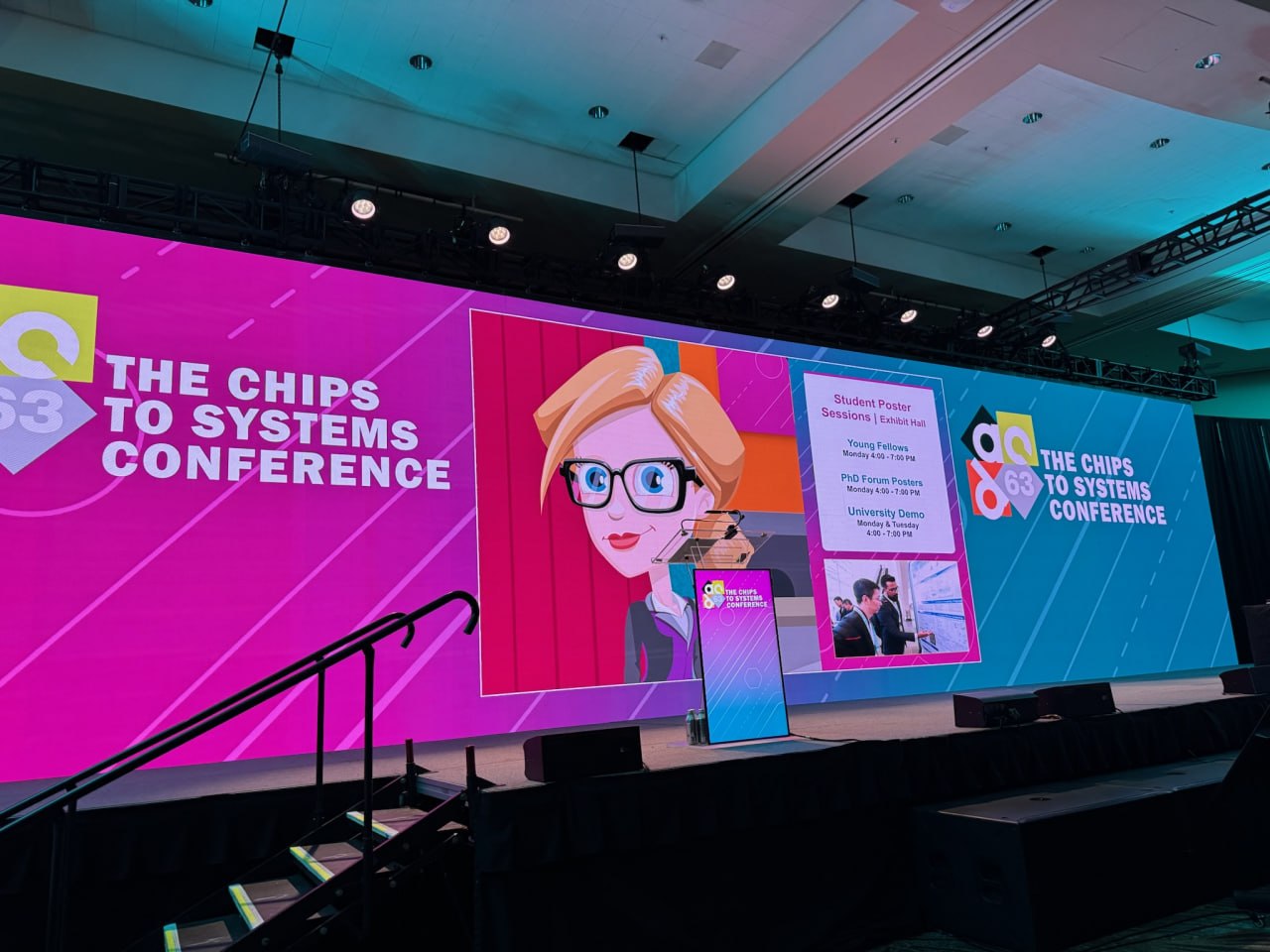
The Design Automation Department (DAD) is pleased to highlight the participation of PhD researcher Nataliya Maksymova in DAC 2026 (Design Automation Conference), one of the world’s leading international conferences in electronic design automation, semiconductor technology, and advanced computing.
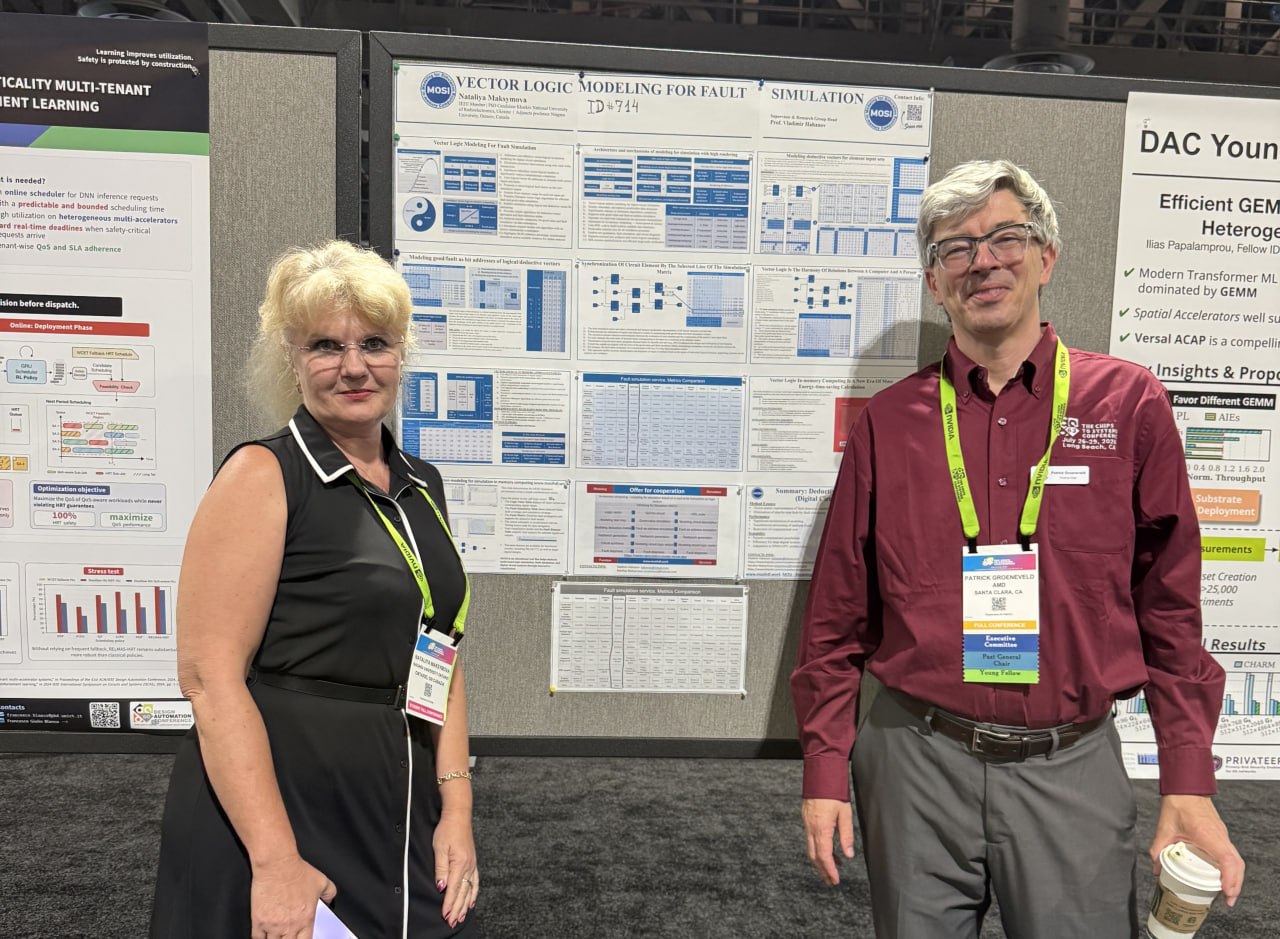
As part of her PhD research in Computer Engineering, Nataliya presented her research entitled “Vector Logic Modeling for Fault Simulation.” Her research focuses on vector-logic and graph-based approaches to modeling, simulation, and fault analysis of digital systems, with the goal of developing more efficient methods for understanding system behavior and identifying fault transitions.
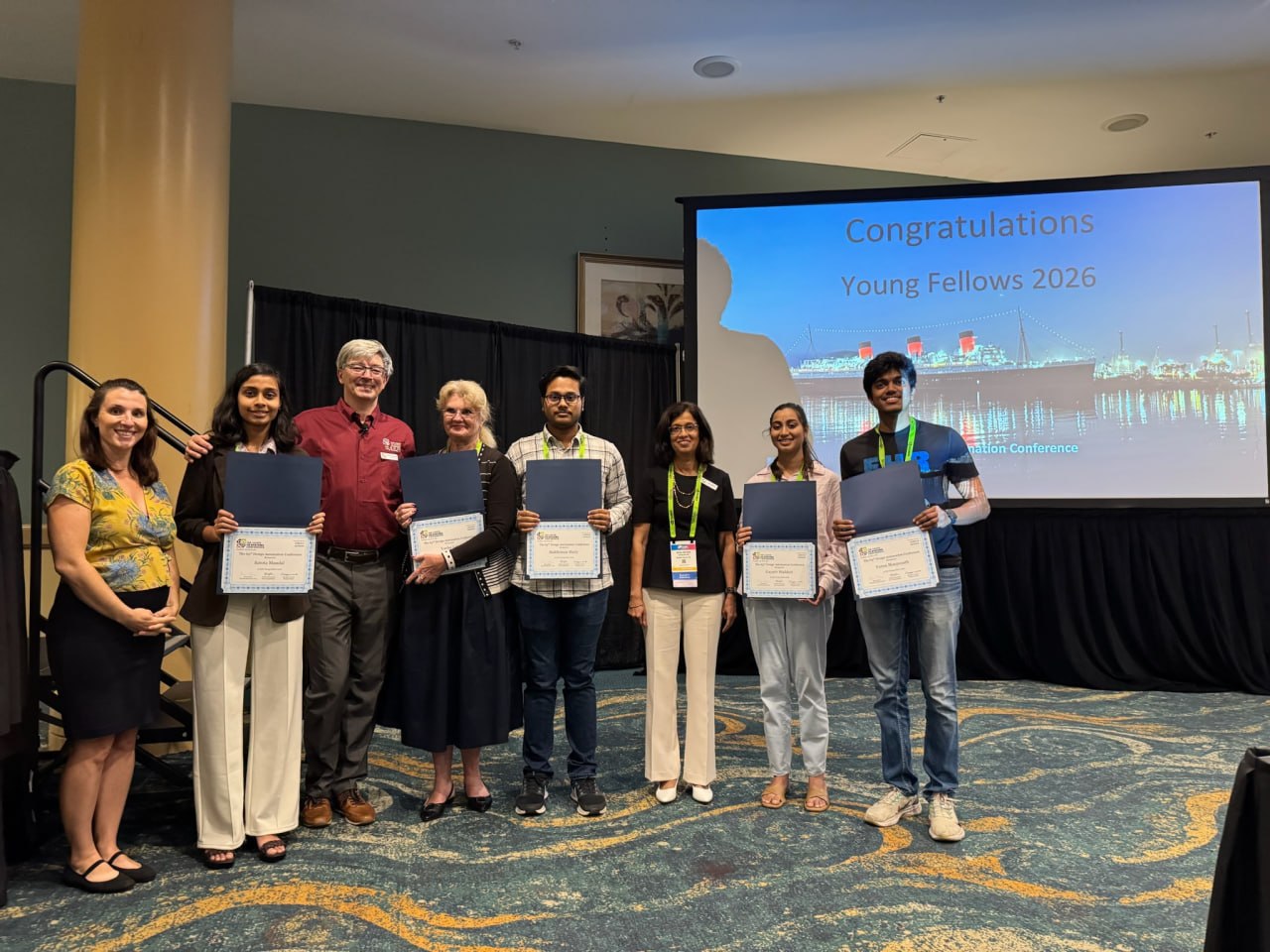
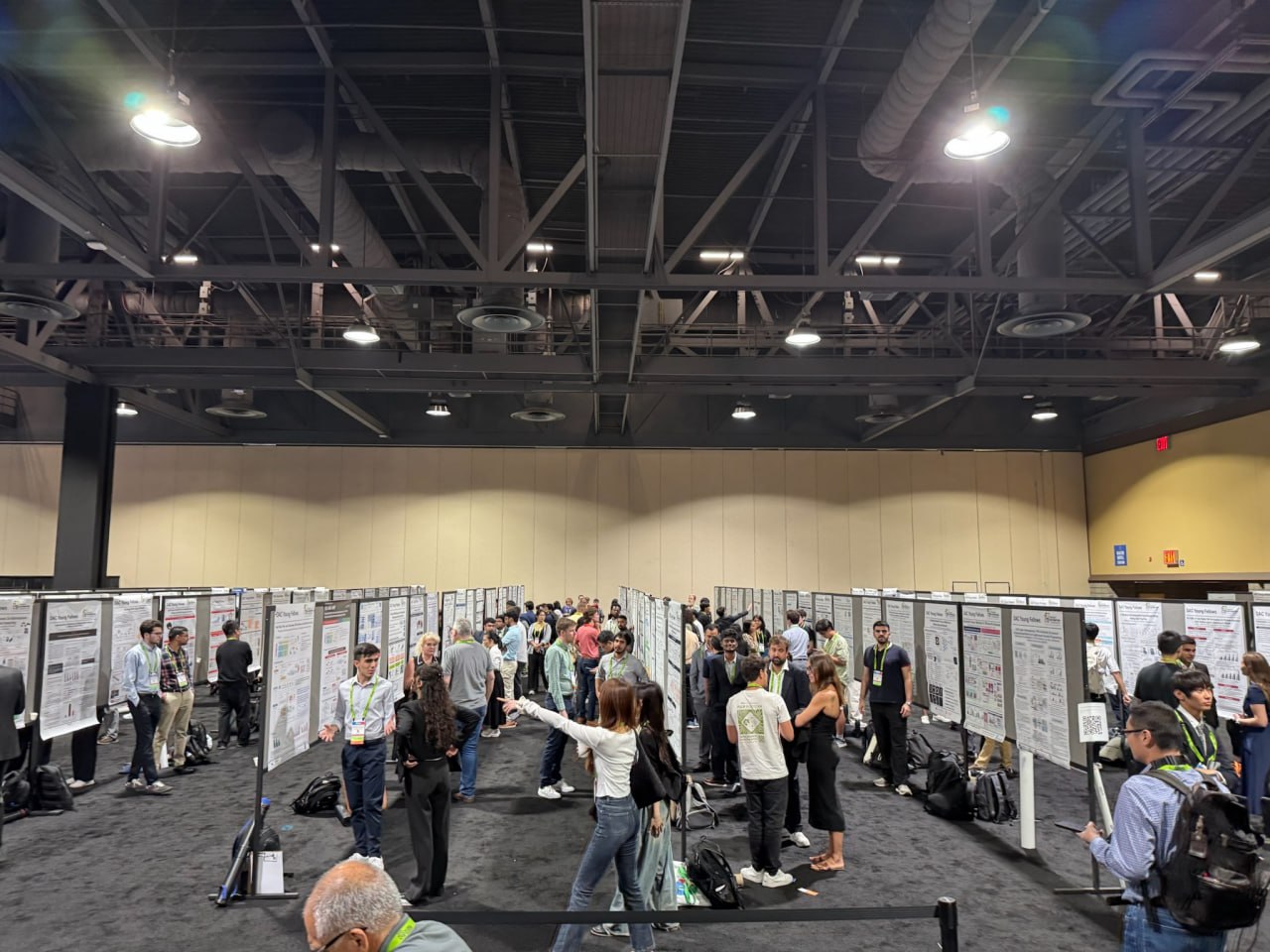
Participation in DAC 2026 was a valuable opportunity not only to present her research to an international community of researchers, engineers, and industry professionals, but also to explore the latest developments shaping the future of computer engineering and electronic design.
Of particular interest were presentations and discussions on the design and manufacturing of advanced processors and chips developed for AI applications, as well as emerging approaches to hardware security. It was especially valuable to learn about technologies and methods designed to protect modern AI hardware from unauthorized access, malicious modifications, unauthorized reprogramming, hardware vulnerabilities, and potential hardware backdoors.
The conference provided an opportunity to gain insight into new processor architectures, advanced chip-design methodologies, semiconductor manufacturing technologies, verification and testing approaches, and innovative hardware-security solutions. These developments demonstrate how closely performance, reliability, testing, and security are becoming interconnected in the development of next-generation AI hardware.
The knowledge, ideas, and professional connections gained at DAC 2026 will contribute to the further development of Nataliya’s research and may also provide valuable perspectives for teaching and academic activities in Computer Engineering.
Nataliya would like to express her deepest gratitude to her academic supervisor, Professor V.I. Hahanov, for his scientific guidance, continuous support, encouragement, and many years of mentorship. His vision, knowledge, and dedication to research have played an important role in shaping her work and helping her reach this important milestone in her PhD journey.
She is also sincerely grateful to the Design Automation Department and its Head, Professor Svitlana Viktorivna Chumachenko, for their continued support, encouragement, and commitment to creating an academic environment that promotes research, innovation, and professional growth. The support of the Department and its faculty throughout her research journey has been invaluable.
It is a great honor for Nataliya to represent DAD and her university at an international conference such as DAC 2026 and to contribute to the global exchange of knowledge in computer engineering, electronic design automation, AI hardware, and hardware security.
Participation in international scientific conferences plays a key role in the implementation of the UN Sustainable Development Goals (SDGs), primarily SDG 17 (“Partnership for Sustainable Development”), as well as tasks related to the development of science, education and innovation (SDG 4 and SDG 9).